
Facing Death – A research project supported by the Olivia Association
Facing Death: At the Olivia Association, we are committed to supporting research projects that place the human being at the center of care, particularly when they are led by the doctors and researchers who accompanied Olivia throughout her illness.
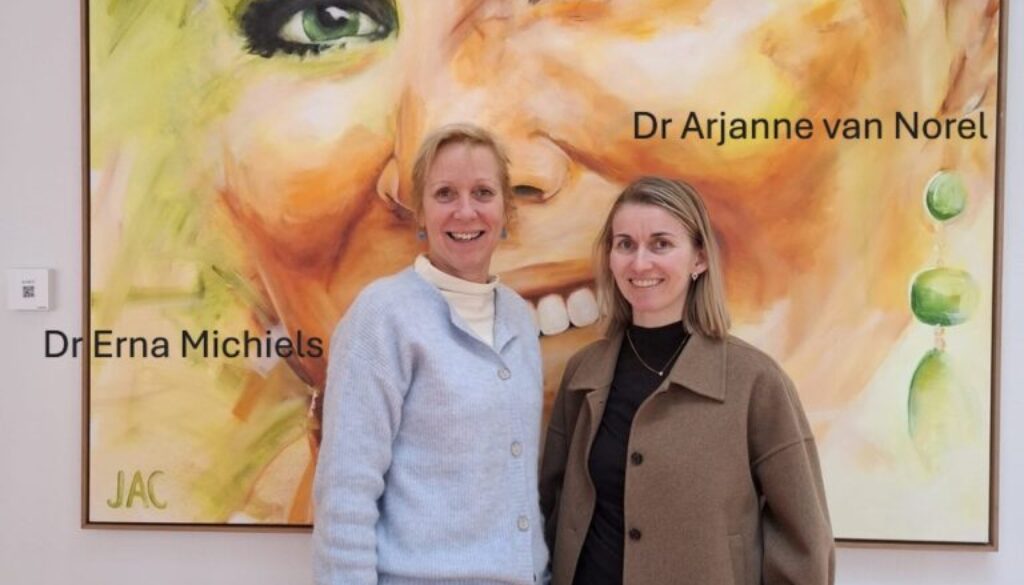
The Facing Death project, led by Dr Erna Michiels, is fully aligned with this commitment. It addresses, with sensitivity and humanity, a fundamental and delicate question in pediatric oncology: how to speak about an approaching death in a medical environment primarily oriented toward hope, treatment, and cure.
Because words have a profound impact on seriously ill children and their families, this research seeks to better understand how these conversations take shape, the dilemmas they involve, and how they can be conducted with honesty, respect, and compassion.
We are honored to support and share this research project, which contributes to care that is more honest, more humane, and better aligned with the needs of families—especially when time becomes precious.
"Facing Death" Study – Text by Dr. Erna Michiels
The Facing Death study focuses on one of the most vulnerable topics in pediatric oncology: how we communicate around an approaching death, in a care environment primarily oriented towards hope, treatment and healing.
Its aim is to gain insight into how these conversations take shape, the dilemmas involved, and what is needed to find words for a reality that is often hard to talk about.
This research is necessary because the way we communicate about this has a major impact on children and their parents—on trust, on felt safety, on shared decision-making, and on the ability to live the remaining time as well and as meaningfully as possible.
By making this often implicit and invisible process explicit, the project contributes to care that is more honest, more humane, and better aligned with what families need.
The benefits are directly felt by the patient: less uncertainty, less unnecessary suffering, and more room for connection, agency, and quality of life—especially when time is most precious.